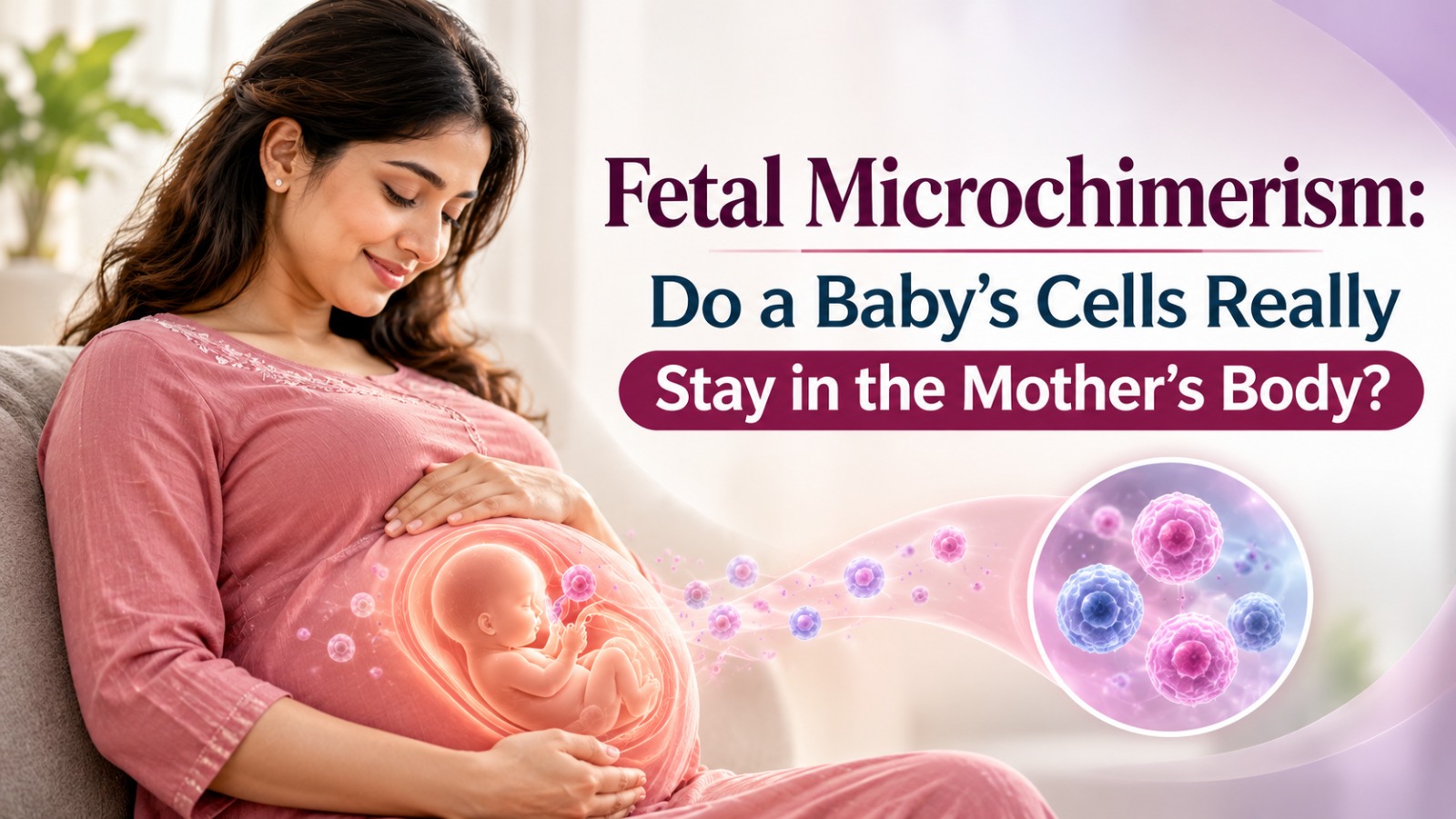
Pregnancy changes a woman’s body in many ways, and some of those changes may last for decades. One of the most fascinating is fetal microchimerism, the process by which a baby’s cells enter the mother’s body during pregnancy and may stay there long after delivery.
If you have searched “do baby cells stay in the mother?”, this guide explains what microchimerism means, how long fetal cells remain, what researchers have found, and what it means for you as an expectant mother.
What Is Fetal Microchimerism? Meaning and Definition
The word “chimera” comes from Greek mythology, where it described a creature made of parts of different animals. In medicine, microchimerism means a person carries a very small number of cells that came from another individual and are genetically different from their own.
Fetal microchimerism occurs when these foreign cells come from the baby. During pregnancy, a small number of fetal cells cross the placenta and enter the mother’s bloodstream and tissues. The numbers are tiny, often only a few cells among millions of the mother’s own cells, but they can be detected with sensitive laboratory methods.
Do Baby Cells Stay in the Mother After Delivery?
Yes, in some women, they do. Research has detected fetal cells in mothers years, and in some studies even decades, after pregnancy. Scientists have found male (Y-chromosome) DNA in women who had previously carried sons, which helped researchers investigate the long-term persistence of fetal material.
Several points are worth knowing:
- Fetal cells can enter the mother’s circulation during pregnancy, including in the first trimester.
- The number of fetal cells may change as pregnancy progresses.
- Fetal cells have been detected in tissues and organs such as the skin, thyroid, liver, heart, and bone marrow.
- Not every woman has detectable fetal cells, and the amount varies from person to person.
- Microchimerism can occur after miscarriage, pregnancy termination, and live birth.
The process also works in the other direction. A mother’s cells can cross the placenta and enter the baby’s body, a phenomenon known as maternal microchimerism.
How Do Fetal Cells Enter the Mother’s Body?
The placenta connects the mother and baby and allows oxygen and nutrients to pass between them. It is also a site of cellular exchange. Small numbers of cells can cross the placental barrier during pregnancy and around delivery.
Cellular exchange may occur during:
- Normal placental development and growth.
- Labour and delivery.
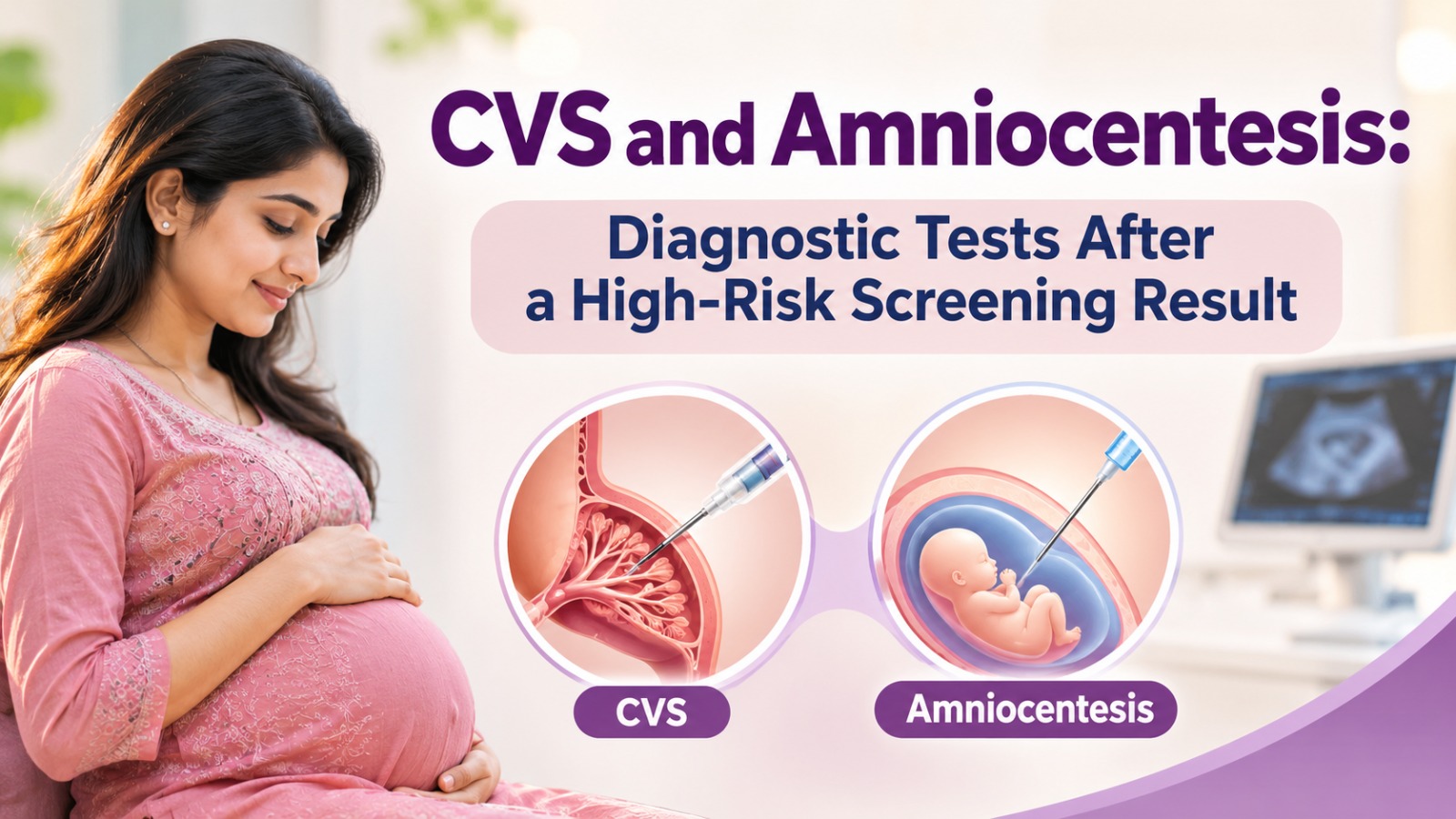
- Certain prenatal procedures, such as amniocentesis or chorionic villus sampling (CVS), which may affect the placental barrier.
This is a naturally occurring biological process and does not, by itself, indicate that anything is wrong with your pregnancy.
Can Baby Cells Heal the Mother? What Research Says
This is a common question, and the honest answer is that fetal cells may have a role in tissue repair, but this has not been conclusively established in humans.
Some animal studies, particularly in mice, suggest that fetal cells can travel to injured organs, such as the heart, and may participate in tissue repair. Some human studies have also identified fetal cells in areas of damaged tissue, including the thyroid, liver, and skin. These findings have led researchers to investigate whether fetal cells could contribute to the body's natural repair processes.
However, it is important to interpret these findings carefully:
- Finding fetal cells at an injury site does not prove that they caused healing.
- Much of the evidence comes from animal research or relatively small human studies.
- There is currently no established medical treatment based on the idea that fetal cells heal the mother.
Is Fetal Microchimerism Harmful? The Link With Autoimmune Conditions
Researchers have studied whether persistent fetal cells could play a role in some autoimmune conditions, such as systemic sclerosis (scleroderma) and autoimmune thyroid disease. Fetal cells have been detected in the tissues of some women with these conditions.
The relationship remains unclear. These cells might contribute to disease, appear in response to tissue damage, or remain without causing harm. Scientists are continuing to investigate these possibilities.
Fetal microchimerism is not a diagnosis, and routine testing for it is not part of standard pregnancy care. Expectant mothers generally do not need to worry about or seek testing for this phenomenon.
Fetal Microchimerism vs NIPT: Are They the Same?
Many expectant mothers confuse these concepts because both involve fetal material in the mother’s blood. However, they are different.
- Fetal microchimerism: Refers to a small number of fetal cells that persist in the mother’s body, sometimes for years or decades.
- NIPT (Non-Invasive Prenatal Testing): Analyses cell-free DNA fragments, primarily originating from the placenta, circulating in the mother’s blood during pregnancy. It screens for certain chromosomal conditions, including Down syndrome.
The placental cell-free DNA used for NIPT is generally cleared from the maternal circulation relatively quickly after delivery. NIPT does not depend on long-term fetal microchimerism and does not cause fetal cells to remain in the mother’s body.
What Does Fetal Microchimerism Mean for Expectant Mothers?
For most women, fetal microchimerism does not cause noticeable symptoms and requires no specific action. You do not need a special test, medication, or lifestyle change because of it.
What matters most during pregnancy remains the basics of appropriate antenatal care:
- Attend regular antenatal checkups and complete recommended scans at the appropriate times.
- Discuss suitable prenatal screening options, such as the double marker test or NIPT, with your healthcare professional.
- Consider genetic counselling if you have a relevant family history, are aged 35 or older, or receive a high-risk screening result.
- Consult a fetal medicine specialist if a scan, screening result, or other pregnancy-related concern requires further assessment.
When to Consult a Fetal Medicine Specialist in Hyderabad
A fetal medicine specialist focuses on assessing the baby’s development before birth and managing pregnancies that require additional monitoring. Consider a consultation if you:
- Have received a high-risk double marker test or NIPT result.
- Have experienced a previous pregnancy loss or had a baby with a genetic condition.
- Are expecting twins or another multiple pregnancy.
- Have been advised to undergo a detailed anomaly scan (Level II scan) or TIFFA scan.
- Are aged 35 or older or have a medical condition, such as diabetes or thyroid disease, that may affect pregnancy care.
- Want clarification or reassurance about your baby’s development.
If you are looking for a fetal medicine specialist in Hyderabad, Dr. Navya KC offers prenatal assessment, scan-related guidance, screening interpretation, genetic counselling, and high-risk pregnancy care. Contact the clinic to discuss your individual pregnancy needs and available consultation options.
Frequently Asked Questions (FAQs)
1. Do Baby Cells Stay in the Mother’s Body Forever?
Fetal cells have been detected in some women decades after pregnancy. However, not all women have detectable fetal cells, and their persistence and distribution vary.
2. What Is the Meaning of Microchimerism?
Microchimerism means that a person carries a small number of genetically distinct cells originating from another individual, such as a baby during pregnancy.
3. Can Baby Cells Heal the Mother?
Some animal studies suggest that fetal cells may participate in tissue repair. However, their role in healing the mother has not been conclusively established in humans.
4. Do Baby Boy Cells Stay in the Mother?
Yes, male fetal cells have been detected in some women years after they carried a son. Researchers have used male-specific genetic markers, including Y-chromosome sequences, to investigate fetal cell persistence.
5. Is Fetal Microchimerism Harmful?
Fetal microchimerism is not generally considered a medical problem requiring treatment. Its possible relationship with certain autoimmune conditions is still being investigated.
6. Do I Need a Test for Fetal Microchimerism?
No. Testing for fetal microchimerism is not part of routine pregnancy care. Your healthcare professional can advise you about the prenatal screening and diagnostic tests appropriate for your pregnancy.
7. Is NIPT the Same as Fetal Microchimerism?
No. NIPT analyses cell-free DNA fragments, primarily from the placenta, circulating in the mother’s blood during pregnancy. Microchimerism refers to a small number of genetically distinct cells that may persist in the mother’s body.
8. Does Microchimerism Happen After a Miscarriage?
Fetal microchimerism can occur after pregnancies that end in miscarriage or termination, as well as after live birth. The presence and persistence of fetal cells vary between individuals.
Final Thoughts
Fetal microchimerism shows that pregnancy can leave a lasting biological connection between mother and child. Researchers are still learning whether these cells contribute to tissue repair, influence immune function, or have different effects depending on the circumstances.
For now, fetal microchimerism is a fascinating area of scientific research rather than a reason for concern for most expectant mothers. Focus on regular antenatal care, timely scans, recommended screening, and guidance from qualified healthcare professionals.
If you are in Hyderabad and would like personalised guidance about your pregnancy, consider consulting a fetal medicine specialist.
Disclaimer: This article is for general educational purposes only and is not a substitute for professional medical advice, diagnosis, or treatment. Please consult a qualified healthcare professional regarding your pregnancy and health.
.jpeg)