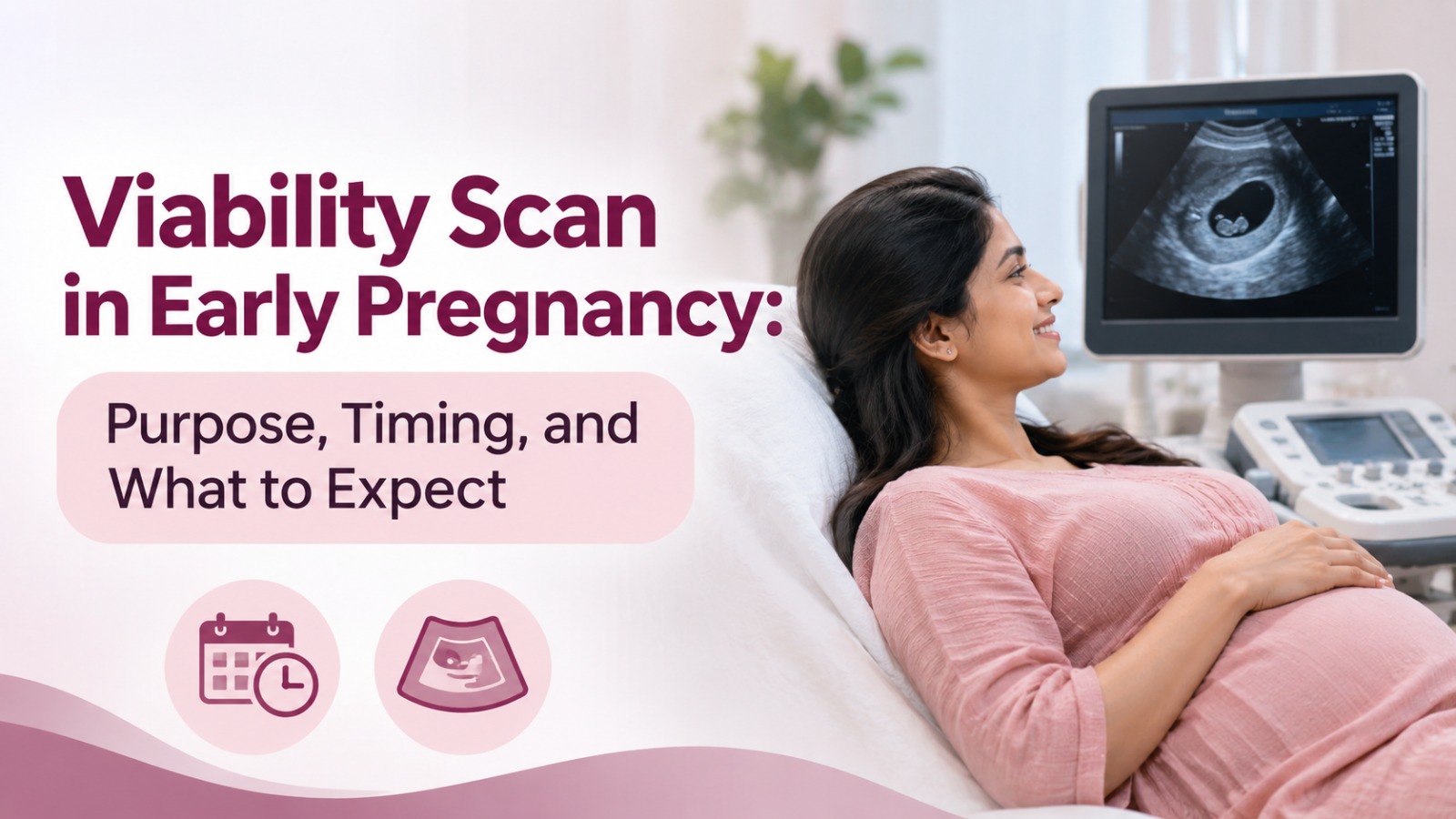
A positive pregnancy test is exciting, but it is natural to want reassurance that everything is progressing well. The first scan that provides this reassurance is usually the viability scan. It is a short, painless ultrasound that confirms whether your pregnancy is in the right place and developing as expected.
This guide explains what a viability scan is, why it is done, the best time to have it, what happens during the scan, and how to understand the results.
What Is a Viability Scan?
A viability scan, also called a viability ultrasound, pregnancy viability scan, or early pregnancy scan, is performed during the first trimester to check whether the pregnancy is viable, meaning that it is developing as expected and showing signs of life.
In simple terms, a viability scan in pregnancy answers three important questions:
- Is the pregnancy inside the uterus?
- Is the baby developing at the expected pace?
- Is there a heartbeat?
Why Is a Viability Scan Done? (Purpose)
A pregnancy viability scan confirms and measures several important aspects of early pregnancy:
- Location of the pregnancy: It confirms whether the pregnancy is inside the uterus and helps identify a possible ectopic pregnancy, in which the embryo implants outside the uterus.
- Gestational sac: It checks whether the sac is present, well formed, and the expected size.
- Yolk sac and fetal pole: These early structures provide information about pregnancy development.
- Fetal heartbeat: Cardiac activity is an important sign of a developing pregnancy.
- Crown-rump length (CRL): This measurement of the embryo helps estimate gestational age and the expected due date.
- Number of babies: The scan can show whether you are expecting one baby or twins.
- Other findings: It may identify a subchorionic bleed, fibroids, or ovarian cysts that may need monitoring.
Who Should Have a Viability Scan?
Many doctors offer an early viability ultrasound to expectant mothers. It may be especially recommended if you have:
- Vaginal bleeding or spotting.
- Lower abdominal pain or cramping.
- A previous miscarriage or recurrent pregnancy loss.
- A previous ectopic pregnancy.
- Irregular periods or uncertain pregnancy dates.
- A pregnancy through IVF or other fertility treatment.
- Existing conditions such as PCOS, diabetes, or thyroid problems.
Viability Scan Timing: Which Week Is Best?
The ideal time for an early viability scan is generally between 6 and 9 weeks of pregnancy, counted from the first day of your last menstrual period. The appropriate timing may vary depending on your symptoms and medical history.
- Around 5 to 6 weeks: A gestational sac and yolk sac may be visible, but the heartbeat may not be detectable yet.
- From 6 to 7 weeks: The fetal pole and heartbeat can often be detected.
- By 8 to 9 weeks: The embryo is usually clearer, and measurements can help assess pregnancy development.
Scanning too early is a common reason for uncertain results. If the heartbeat cannot yet be seen, your doctor may recommend a repeat scan in 7 to 10 days, depending on the findings. This can be routine and does not automatically mean something is wrong.
How Is a Viability Scan Done?
Most very early pregnancy scans are performed transvaginally because the pregnancy is still small and this method can provide a clearer image than scanning through the abdomen.
Transvaginal ultrasound: A slim, lubricated probe is gently inserted into the vagina. The procedure is generally well tolerated and usually does not require a full bladder.
Transabdominal ultrasound: The sonologist moves an ultrasound probe over the lower abdomen using gel. A full bladder may be needed. This method may be used later in the first trimester or alongside a transvaginal scan.
A viability scan usually takes about 10 to 20 minutes. Ultrasound uses sound waves rather than ionising radiation. Your healthcare professional can explain the procedure and address any concerns you may have.
What Happens at a Viability Scan? (What to Expect)
- Before the scan: The sonologist may ask about your last menstrual period, symptoms, and medical history.
- During the scan: You lie comfortably while the ultrasound probe captures images. The sonologist checks the gestational sac, measures the embryo, and looks for cardiac activity when it is expected to be visible.
- After the scan: The findings are explained, and you receive a report, often with images.
If you attend with your partner, they may be able to view the screen, depending on the clinic's arrangements.
Understanding Your Viability Scan Report
Your viability scan report may describe one of the following findings:
- Viable intrauterine pregnancy: A pregnancy sac is seen inside the uterus, with an embryo and cardiac activity visible when expected for the stage of pregnancy.
- Pregnancy too early to assess: A sac may be visible before an embryo or heartbeat can be identified. A repeat scan may be recommended.
- Pregnancy of unknown location: The pregnancy cannot yet be located on ultrasound. Your doctor may monitor blood hormone levels and arrange follow-up scans.
- Possible pregnancy loss: The findings may raise concern that the pregnancy is not developing. Your doctor will interpret the measurements and other findings and explain whether repeat assessment is needed.
- Ectopic pregnancy: The findings may suggest that the pregnancy is outside the uterus, which requires prompt medical assessment.
Please do not draw conclusions from the viability scan report alone. It should be interpreted alongside your pregnancy dates, symptoms, ultrasound measurements, and blood tests when needed.
What Comes After a Viability Scan?
If everything looks normal, your next important milestone may be the nuchal translucency (NT) scan and double marker screening, generally performed between 11 and 14 weeks. After that comes the TIFFA (anomaly) scan, usually performed around 18 to 22 weeks, followed by growth scans later in pregnancy when recommended.
If your viability scan raises a concern, your doctor may recommend a repeat scan, blood tests, or referral to a fetal medicine specialist.
Viability Scan in Hyderabad: When to See a Fetal Medicine Specialist
A scan performed and interpreted by an experienced fetal medicine specialist can be particularly helpful if you have experienced bleeding, a previous pregnancy loss, or fertility treatment. Early findings can be subtle, and careful assessment helps guide appropriate follow-up.
If you are looking for a viability scan in Hyderabad or searching for a viability scan near me, Dr. Navya KC provides early pregnancy scan services with explanations and guidance throughout the process.
Book an appointment to discuss your early pregnancy scan and the care appropriate for your needs.
Frequently Asked Questions
What is a viability scan in pregnancy?
A viability scan is an early ultrasound that checks the location of the pregnancy and assesses early development, including cardiac activity when it is expected to be visible.
Which week is best for a viability scan?
A viability scan is generally performed between 6 and 9 weeks of pregnancy. The timing may vary depending on your symptoms, menstrual dates, and medical advice.
Is a viability scan painful?
A viability scan is usually not painful, although a transvaginal probe may cause slight discomfort.
Is a viability scan safe for the baby?
Ultrasound uses sound waves rather than ionising radiation. Your healthcare professional can explain the benefits and any considerations specific to your situation.
Do I need a full bladder for a viability scan?
A full bladder is usually not required for a transvaginal scan, but it may be needed for a transabdominal scan. Follow the instructions provided by your clinic.
How long does a viability scan take?
A viability scan usually takes about 10 to 20 minutes, although the appointment may take longer.
Can a viability scan detect an ectopic pregnancy?
Yes. A viability scan helps assess whether the pregnancy is inside the uterus. Sometimes the location cannot be confirmed on the first scan, so follow-up testing may be required.
What if no heartbeat is seen on the first scan?
It may be too early to detect cardiac activity. Depending on the ultrasound findings and pregnancy dates, your doctor may recommend a repeat scan, often after 7 to 10 days.
Is a viability scan the same as an NT scan?
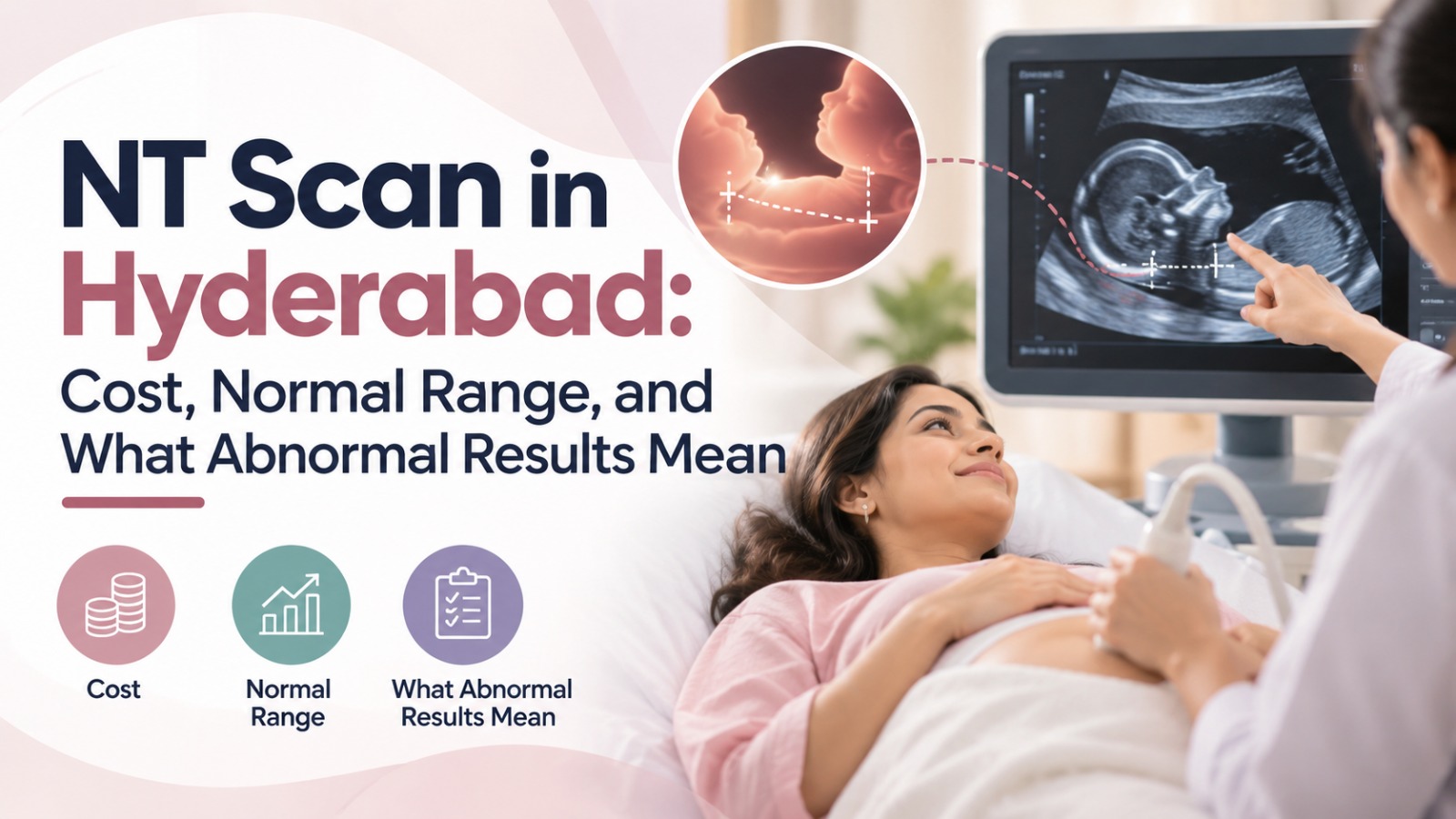
No. A viability scan is performed early in pregnancy to assess its location and development. An NT scan is generally performed between 11 and 14 weeks as part of screening for certain chromosomal conditions.
Final Thoughts
A viability scan is an important early pregnancy assessment that helps confirm the location of the pregnancy and evaluate its development. It can also help estimate your due date and guide the next steps in your pregnancy care.
Timing matters, and a repeat scan may sometimes be necessary when the pregnancy is too early to assess clearly. If you experience bleeding, abdominal pain, or have a history of pregnancy loss, consult a qualified healthcare professional for appropriate assessment. Seek urgent medical care for severe pain, heavy bleeding, fainting, or other severe symptoms.
Disclaimer: This article is for general educational purposes only and is not a substitute for professional medical advice, diagnosis, or treatment. Please consult a qualified doctor regarding your pregnancy and health.


.jpeg)