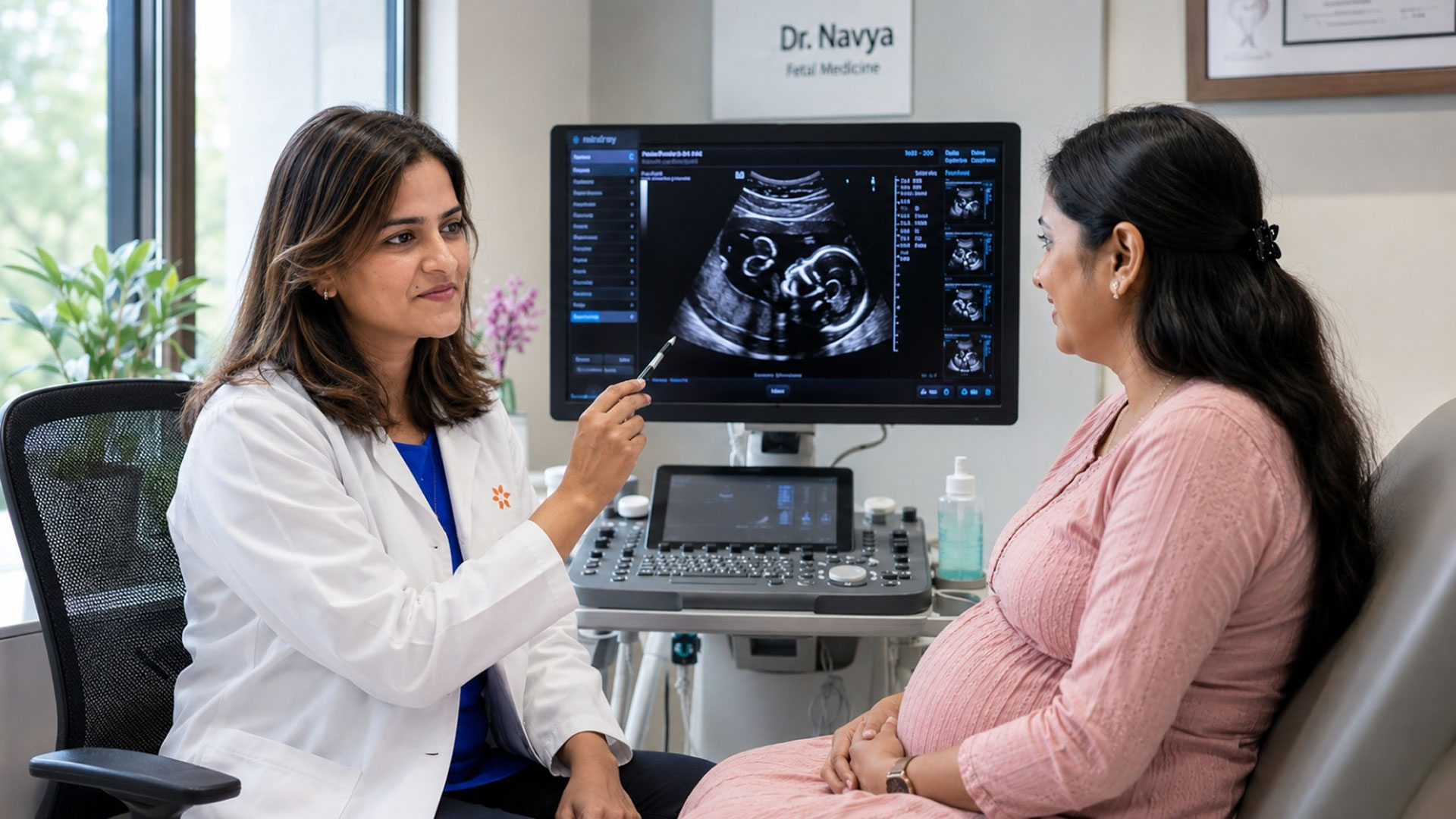
Finding out something might be wrong with your baby is one of the most frightening moments of pregnancy. Here's how to find the right specialists, fast.
If your doctor has just mentioned a "fetal medicine consult," a soft marker on ultrasound, or a high-risk pregnancy, you're probably feeling overwhelmed and searching for answers at midnight. You're not alone and you don't need to navigate this blind. Hyderabad has become one of South India's leading hubs for fetal medicine, home to specialists trained in advanced prenatal diagnostics, fetal therapy, and high-risk obstetric care. This guide breaks down exactly what fetal medicine is, what to look for in a center, the questions to ask before you commit, and how to make a confident, informed decision for you and your baby.
Table of Contents
- What Is Fetal Medicine and Why It Matters
- Who Actually Needs a Fetal Medicine Specialist
- 7 Things the Best Fetal Medicine Centers in Hyderabad Have in Common
- Key Tests and Procedures Offered at Top Centers
- How to Evaluate and Choose the Right Center for You
- Red Flags to Watch Out For
- What to Expect at Your First Fetal Medicine Appointment
- Cost of Fetal Medicine Care in Hyderabad
- Summary
- Frequently Asked Questions
What Is Fetal Medicine and Why It Matters
Fetal medicine (also called maternal-fetal medicine or perinatology) is a specialized branch of obstetrics focused on diagnosing and managing conditions that affect the baby before birth. It sits at the intersection of obstetrics, genetics, radiology, and pediatric surgery.
Unlike a routine obstetrician, a fetal medicine specialist is trained specifically to:
- Detect structural and chromosomal abnormalities early in pregnancy
- Monitor and manage high-risk pregnancies (twins, pre-eclampsia, diabetes, etc.)
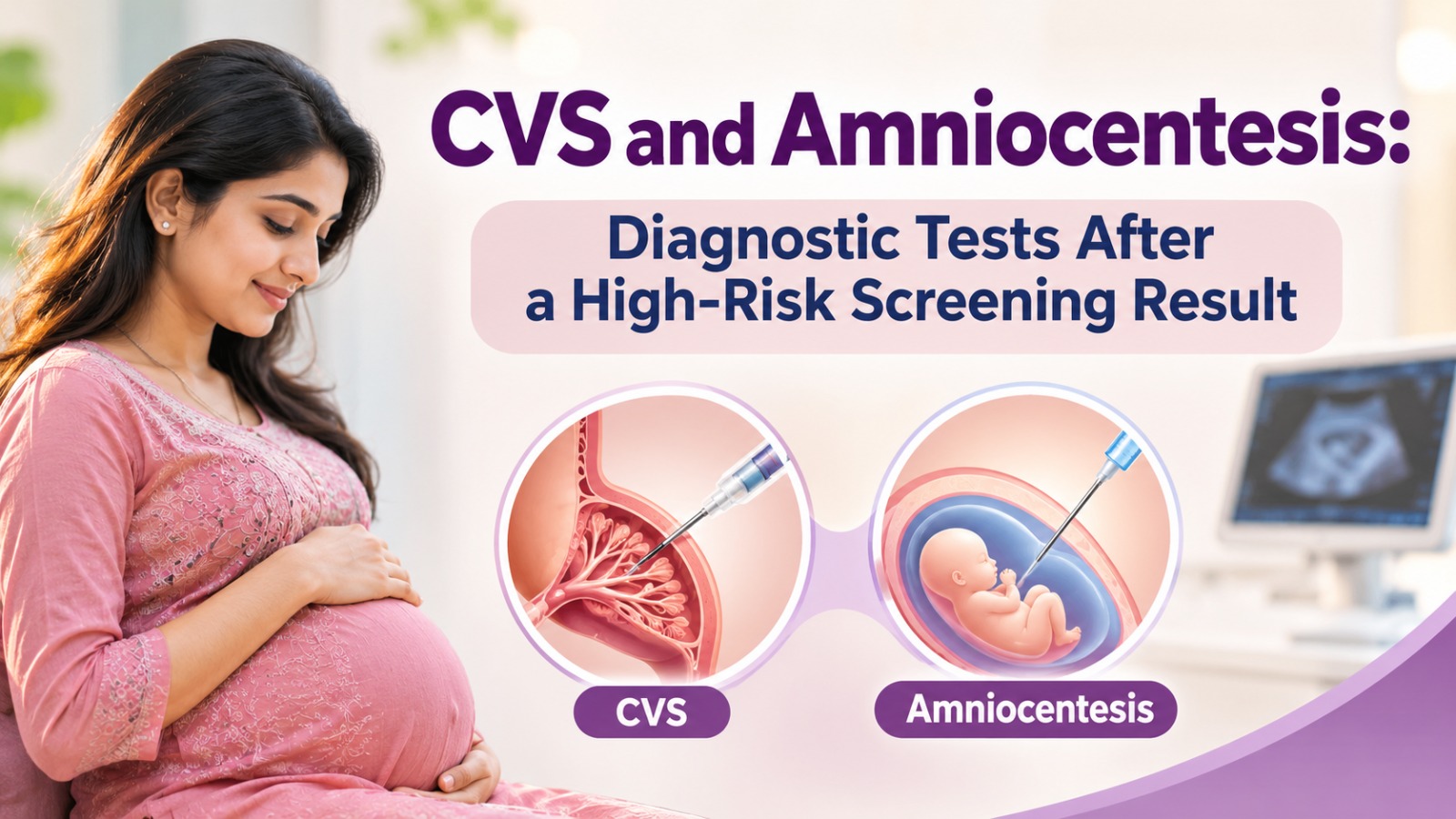
- Perform invasive diagnostic procedures like amniocentesis safely
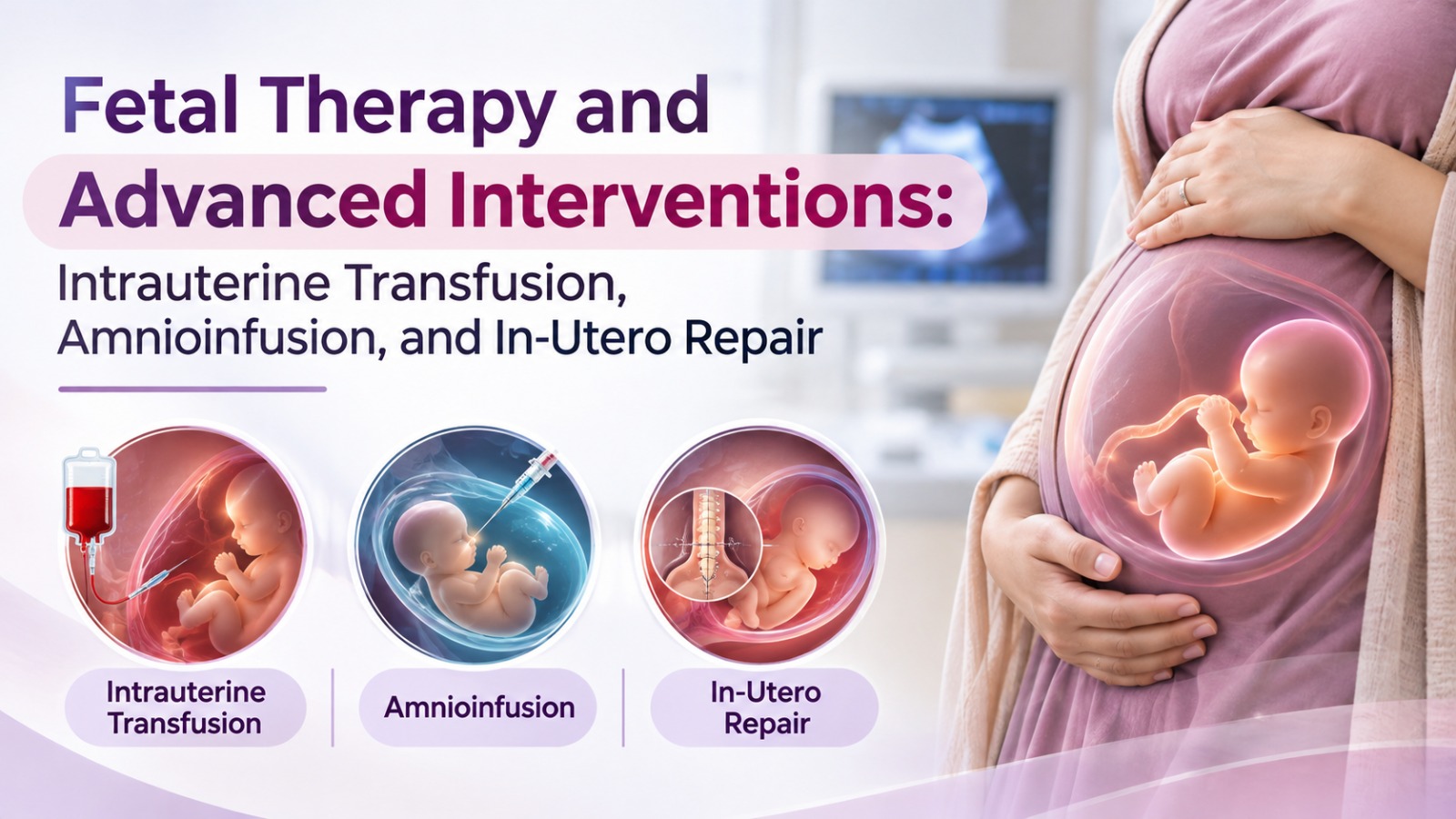
- Offer in-utero treatment for certain fetal conditions
- Coordinate care with pediatric surgeons and neonatologists for complex cases
Key takeaway: Not every pregnancy needs a fetal medicine specialist but when complications arise, the expertise gap between a general OB and a trained perinatologist can genuinely change outcomes.
Who Actually Needs a Fetal Medicine Specialist
Many women assume a referral to fetal medicine automatically means something is wrong. That's rarely the case; most referrals are precautionary.
Common Reasons for Referral
- Abnormal screening results NIPT, double marker, or triple marker tests flagging increased risk
- Soft markers on ultrasound like echogenic bowel or choroid plexus cysts, which are often benign
- Maternal age 35+ at delivery, which carries statistically higher chromosomal risk
- Multiple pregnancy (twins, triplets), especially monochorionic twins
- Pre-existing conditions like diabetes, hypertension, thyroid disorders, or autoimmune disease
- Previous pregnancy complications prior stillbirth, genetic condition, or preterm birth
- Family history of genetic disorders
- Suspected fetal growth restriction or abnormal amniotic fluid levels
Actionable advice: If you've been referred, don't panic before your appointment. Write down every question you have and bring your complete scan and lab history. This saves time and helps the specialist give you a precise risk assessment rather than a generic one.
7 Things the Best Fetal Medicine Centers in Hyderabad Have in Common

Hyderabad's medical landscape includes everything from large multi-specialty hospitals to dedicated fetal medicine clinics. Here's what genuinely separates the best from the merely adequate.
1. Fellowship-Trained Maternal-Fetal Medicine Specialists
Look for doctors with formal fellowship training in fetal medicine (often from institutions in the UK, such as the Fetal Medicine Foundation London, or recognized Indian centers) not just general obstetricians who also do scans.
2. FMF-Certified Sonologists
The Fetal Medicine Foundation (FMF) certification is considered the global gold standard for first-trimester screening accuracy. Ask directly: "Is the sonologist performing my NT scan FMF-certified?"
3. High-Resolution 4D/5D Ultrasound Technology
Diagnostic accuracy depends heavily on equipment quality. The best centers invest in advanced ultrasound machines capable of detailed anatomical surveys, not just basic imaging.
4. On-Site Genetic Counseling
A top-tier center doesn't just hand you a lab report; it has genetic counselors who can walk you through what the numbers actually mean for your specific situation.
5. In-House Invasive Diagnostic Capability
Procedures like amniocentesis, chorionic villus sampling (CVS), and cordocentesis should be performed on-site by experienced specialists, with same-day or rapid-turnaround support.
6. Multidisciplinary Coordination
The strongest centers have established referral pathways to pediatric cardiologists, neonatologists, and pediatric surgeons critical if your baby needs specialized care immediately after birth.
7. Transparent, Compassionate Communication
Perhaps most underrated: how a center delivers difficult news matters enormously. The best teams combine clinical precision with genuine empathy, giving you time to process and ask questions rather than rushing you out.
Bulleted takeaway what to look for at a glance:
- Fellowship-trained MFM specialist on staff
- FMF-certified ultrasound team
- Advanced imaging technology
- In-house genetic counseling
- On-site invasive testing capability
- Strong referral network to pediatric specialists
- Clear, empathetic patient communication
Key Tests and Procedures Offered at Top Centers

Understanding the testing timeline helps you know what's coming next and why.
First Trimester (11–14 weeks)
- Nuchal Translucency (NT) Scan: measures fluid at the back of the baby's neck to assess chromosomal risk
- Double Marker Test: blood test combined with NT scan for combined risk scoring
- NIPT (Non-Invasive Prenatal Testing): highly sensitive blood-based screening for conditions like Down syndrome
Second Trimester (18–22 weeks)
- Anomaly Scan (Level 2 Ultrasound): detailed structural assessment of the baby's organs, brain, heart, and limbs
- Fetal Echocardiography: specialized heart scan, often recommended for diabetic mothers or those with family history of heart defects
- Amniocentesis: if indicated, for definitive genetic diagnosis
Third Trimester
- Growth Scans: tracking fetal weight and development trajectory
- Doppler Studies: assessing blood flow in the umbilical cord and baby's brain
- Biophysical Profile (BPP): overall wellbeing check combining movement, breathing, and fluid assessment
Actionable advice: Keep a single folder (physical or digital) with every scan and report in chronological order. Fetal medicine specialists rely on trend data; a single scan tells less of the story than the full timeline.
How to Evaluate and Choose the Right Center for You
This is the part most guides skip - the actual decision-making framework.
Step 1: Verify Credentials, Not Just Reputation
Ask specifically about the lead specialist's fellowship training and years of dedicated fetal medicine practice (not just general OB-GYN experience).
Step 2: Ask About Turnaround Time for Results
For invasive tests like amniocentesis, ask how long results take and whether rapid-result options (like FISH testing) are available - waiting weeks for results during a high-anxiety period is genuinely hard.
Step 3: Confirm the Backup Plan
Ask: "If something is found, what happens next? Do you have an in-house team for management, or will I be referred elsewhere?" The best centers have a clear, coordinated answer.
Step 4: Check Patient Reviews for Communication Style
Look specifically for reviews mentioning how the doctor handled bad news or uncertain results - this tells you more about quality than star ratings alone.
Step 5: Assess Logistics
- Is the center easily accessible if you need multiple visits?
- Do they offer weekend or evening slots for working women?
- Is parking and waiting room comfort adequate for late pregnancy?
Bulleted takeaway - your evaluation checklist:
- Fellowship-trained, dedicated fetal medicine specialist
- FMF-certified scanning team
- Clear protocol for abnormal findings
- Reasonable result turnaround times
- Positive reviews on communication and empathy
- Convenient location and scheduling flexibility
Red Flags to Watch Out For
Not every clinic offering "fetal scans" is equipped to handle complex cases. Watch for these warning signs:
- Rushed appointments with no time for questions
- Scans performed by technicians with no specialist review
- Vague answers when you ask about certifications
- No clear referral pathway if an anomaly is detected
- Pressure tactics around unnecessary repeat testing
- Inconsistent risk reporting between visits without explanation
Actionable advice: Trust your instincts. If a consultation feels transactional rather than thorough, it's reasonable to seek a second opinion - especially before any invasive procedure.
What to Expect at Your First Fetal Medicine Appointment
Knowing the format in advance reduces anxiety considerably.
Before the Appointment
- Gather all prior scan reports and blood test results
- Write down your obstetric and family medical history
- List your specific questions or concerns
During the Appointment
- A detailed ultrasound, often longer than routine scans (30–60 minutes)
- A risk assessment discussion based on combined data
- Genetic counseling if results indicate elevated risk
- A clear, written plan for next steps or follow-up testing
After the Appointment
- You should leave with a documented summary, not just verbal reassurance
- A follow-up timeline should be clearly communicated
- Contact information for urgent questions before your next scheduled visit
Key takeaway: A quality center will never make you feel rushed during this appointment, regardless of how busy the clinic is - this is not the visit to compromise on time.
Cost of Fetal Medicine Care in Hyderabad
Pricing varies significantly based on the procedure and center, but understanding general ranges helps you budget and ask informed questions.
- NT Scan + Double Marker: Moderate cost, typically bundled together
- NIPT: Higher cost than standard screening, reflecting its advanced technology
- Detailed Anomaly Scan: Mid-range, often the single most valuable scan of pregnancy
- Amniocentesis/CVS: Higher cost due to procedural complexity and lab analysis
- Fetal Echocardiography: Specialized pricing, often separate from routine scans
Actionable advice: Ask upfront whether genetic counseling and follow-up consultations are included in the package price, or billed separately - this prevents surprise costs during an already stressful time.
Summary
Choosing a fetal medicine center isn't just about proximity or price - it's about finding a team with genuine specialized expertise, modern diagnostic technology, and the empathy to guide you through uncertainty. The best fetal medicine centers in Hyderabad combine fellowship-trained specialists, FMF-certified imaging, in-house genetic counseling, and strong multidisciplinary referral networks. Use the evaluation checklist in this guide, ask direct questions about credentials and protocols, and trust your instincts about communication quality. Most importantly: a referral to fetal medicine is, in the vast majority of cases, a precaution - not a prediction.
Frequently Asked Questions
1. Is a fetal medicine consultation always a sign something is wrong with my baby?
No. Most referrals are routine precautions based on age, screening results, or pregnancy history. The vast majority of fetal medicine consultations result in reassurance, not diagnosis of a problem.
2. What's the difference between a regular obstetrician and a fetal medicine specialist?
A regular obstetrician manages overall pregnancy care, while a fetal medicine specialist has additional fellowship training specifically focused on diagnosing and managing fetal conditions, high-risk pregnancies, and invasive prenatal testing.
3. How accurate is NIPT compared to the double marker test?
NIPT generally offers higher sensitivity and specificity for common chromosomal conditions compared to the double marker test, though it is typically more expensive and is still a screening not a diagnostic test.
4. Is amniocentesis safe, and when is it recommended?
When performed by an experienced specialist, amniocentesis carries a low procedural risk and is typically recommended when screening tests indicate elevated risk or when a definitive genetic diagnosis is needed.
5. How early should I schedule my first fetal medicine appointment?
If you have known risk factors, scheduling around 11–14 weeks allows for first-trimester screening; otherwise, your obstetrician will typically refer you based on screening results as they become available.
Your Next Step
Pregnancy uncertainty is hard enough without navigating it alone or uninformed. Use this guide as your framework - verify credentials, ask the right questions, and choose a center where you feel genuinely heard, not just scanned. If you're currently weighing your options in Hyderabad, start by listing two or three centers that meet the checklist above, then book consultations to compare communication style firsthand before committing to ongoing care.
Have a specific concern about your pregnancy or recent scan results? Consult a qualified maternal-fetal medicine specialist promptly - early clarity is almost always better than prolonged uncertainty.
Disclaimer: The information on this page is intended for general educational purposes and does not replace professional medical advice. The content is not designed to diagnose, treat, cure, or prevent any medical condition. Consult a qualified healthcare provider with any questions regarding your pregnancy or medical condition. Do not disregard professional medical advice or delay seeking it because of something you have read here.

.jpeg)