Staring at a Lab Report Full of Numbers and Risk Ratios? Here's How to Actually Read It
Few moments in pregnancy feel as confusing as opening a screening test report filled with unfamiliar terms like "trisomy risk" or "MoM values." This guide translates NIPT and double marker results into plain language, so you understand exactly what your numbers mean before your next appointment.
Table of Contents
- NIPT vs Double Marker: What's the Difference
- How to Read Your Risk Score
- What "High Risk" Actually Means Statistically
- What Happens After an Abnormal Result
- FAQ
NIPT vs Double Marker: What's the Difference

Double Marker Test
- Performed between 11–14 weeks
- Combines a blood test (PAPP-A and free beta-hCG) with the NT scan
- Provides a combined risk score, not a definitive diagnosis
- Lower cost, widely available
NIPT (Non-Invasive Prenatal Testing)
- Performed from 10 weeks onward
- Analyzes fragments of fetal DNA in the mother's blood
- Significantly higher sensitivity for conditions like Down syndrome (Trisomy 21)
- Higher cost than the double marker
Bulleted takeaway:
- Both are screening tests, not diagnostic tests
- NIPT is generally more accurate but doesn't replace diagnostic testing if results are high-risk
- Your doctor may recommend one, the other, or both depending on your risk profile
How to Read Your Risk Score
Reports typically express risk as a ratio, such as 1:1500 or 1:50.
- 1:1500 means 1 in 1,500 pregnancies with this profile would be affected - a low-risk result
- 1:50 means 1 in 50 - a higher-risk result requiring further discussion
Key takeaway: A "high-risk" result is a probability, not a confirmed diagnosis. Many high-risk screening results still result in unaffected pregnancies after diagnostic follow-up.
What "High Risk" Actually Means Statistically
Most labs use a cutoff (commonly 1:250 or 1:300) to classify results as high or low risk. It's important to understand:
- A high-risk result means further testing is recommended, not that the baby is affected
- False positives are relatively common with screening tests
- Diagnostic tests like amniocentesis provide near-definitive answers when needed
What Happens After an Abnormal Result
- Genetic counseling: A specialist explains your specific numbers in context
- Detailed ultrasound: Checking for additional structural markers
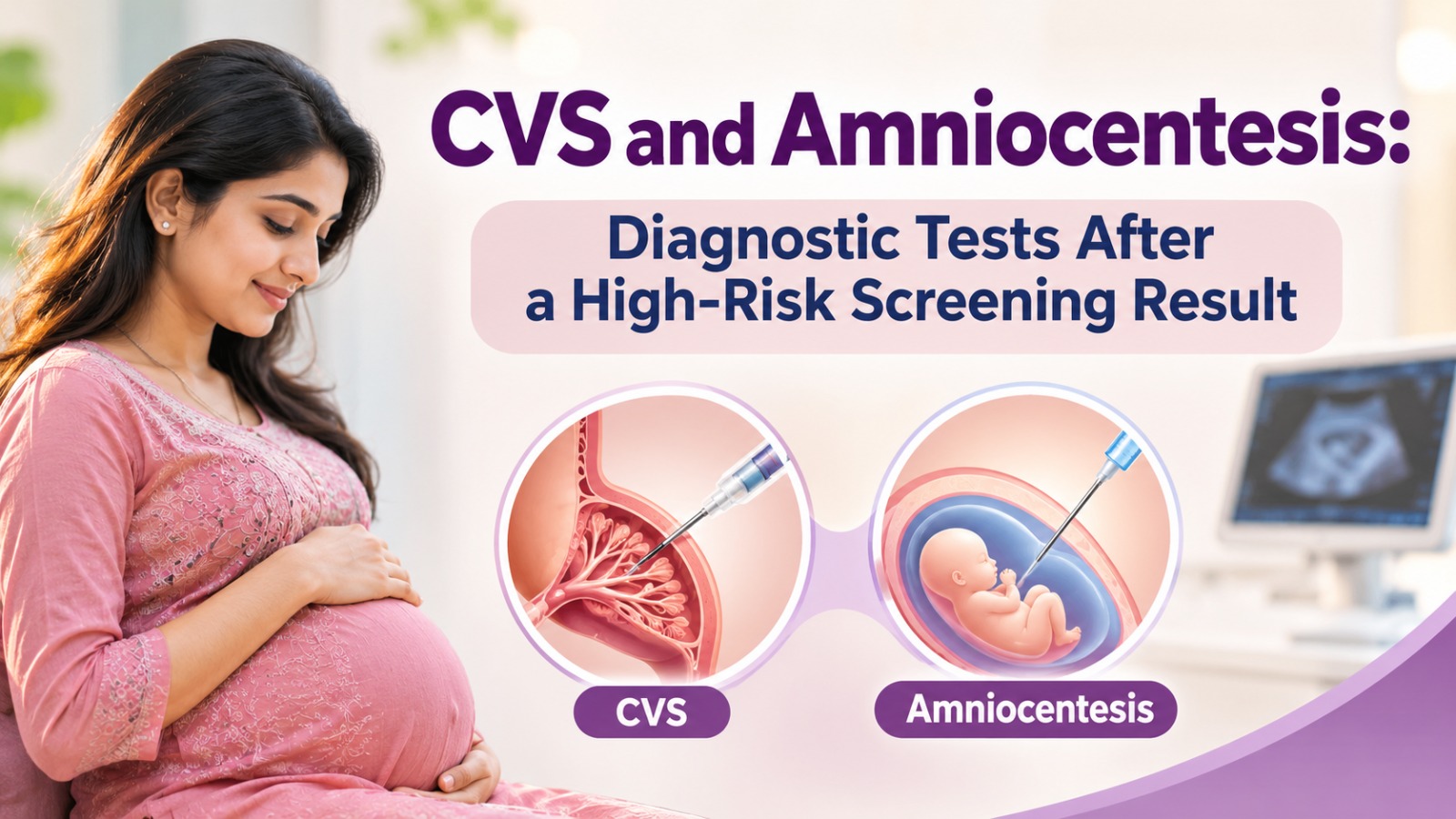
- Diagnostic testing option: Amniocentesis or CVS if you choose to confirm
- Personalized risk discussion: Combining all data points, not just the single test
Actionable advice: Don't make decisions based on the screening result alone — always request a full consultation with a fetal medicine specialist who can contextualize the number against your complete profile.
FAQ
1. Can NIPT be wrong?
Yes, though rarely. NIPT has high accuracy but is still a screening test, meaning false positives and false negatives, while uncommon, are possible.
2. Do I need both the double marker test and NIPT?
Not always - many women choose one or the other. Your doctor may recommend both only if initial results are borderline or inconclusive.
3. How long does it take to get NIPT results?
Typically 7-10 days, though this varies by lab and testing volume.
4. What if my double marker result is high-risk but NIPT is low-risk?
NIPT is generally considered more reliable for chromosomal risk; your specialist will help interpret conflicting results in the context of your full profile.
Conclusion
Screening test numbers can feel overwhelming, but understanding the difference between probability and diagnosis changes everything about how you process your results. If your report shows an elevated risk, the right next step isn't panic - it's a thorough conversation with a fetal medicine specialist who can walk you through your specific options.
Disclaimer: The information on this page is intended for general educational purposes and does not replace professional medical advice. The content is not designed to diagnose, treat, cure, or prevent any medical condition. Consult a qualified healthcare provider with any questions regarding your pregnancy or medical condition. Do not disregard professional medical advice or delay seeking it because of something you have read here.

.jpeg)