
Advanced Minimally Invasive Chest Surgery
Video-Assisted Thoracic Surgery (VATS) has transformed the way many chest conditions are treated by allowing surgeons to perform complex thoracic procedures through small keyhole incisions instead of a large chest incision. Using a high-definition camera and specialized surgical instruments, VATS enables precise treatment of lung, pleural, and mediastinal diseases while minimizing surgical trauma.
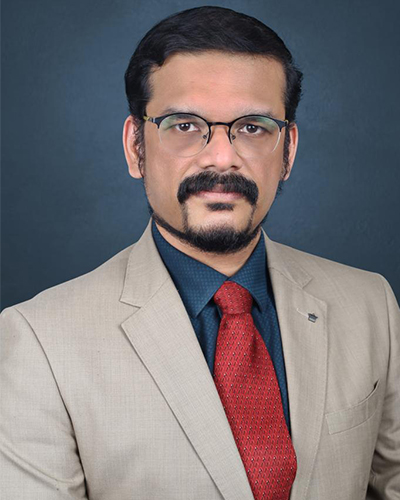
Dr. Balasubramoniam K R is one of India's leading thoracic surgeons with extensive expertise in Video-Assisted Thoracic Surgery (VATS), Robotic Thoracic Surgery, Lung Transplant Surgery, and Muscle-Sparing Thoracic Surgery. With more than 18+ years of experience, he has successfully managed a wide range of simple and complex thoracic conditions using minimally invasive surgical techniques.
At Yashoda Hospitals, Hyderabad, patients receive comprehensive evaluation, advanced surgical care, multidisciplinary treatment planning, and structured postoperative rehabilitation to achieve the best possible outcomes.
What is Video-Assisted Thoracic Surgery (VATS)?
Video-Assisted Thoracic Surgery (VATS) is a minimally invasive surgical procedure performed through two or three small incisions, usually measuring between 5 mm and 10 mm. A tiny high-definition camera (thoracoscope) is inserted into the chest, allowing the surgeon to view the operative field on a monitor while performing the procedure with specialized instruments.
Unlike traditional open thoracic surgery, VATS avoids large chest incisions and significantly reduces damage to muscles and surrounding tissues. This results in less postoperative discomfort, faster recovery, and earlier return to daily activities.
Conditions Treated with VATS
Video-Assisted Thoracic Surgery is commonly performed for a wide range of thoracic conditions, including:
The suitability of VATS depends on the patient's condition, imaging findings, and overall health.
VATS Procedures Offered
VATS Lobectomy
A minimally invasive procedure to remove a diseased lobe of the lung, commonly performed for lung cancer and selected benign lung diseases. VATS lobectomy provides excellent surgical outcomes while minimizing postoperative pain and shortening recovery time.
VATS Lung Biopsy
When imaging alone cannot confirm a diagnosis, a VATS lung biopsy allows the surgeon to obtain a tissue sample safely and accurately for laboratory examination. It is frequently used in the evaluation of interstitial lung diseases and unexplained lung abnormalities.
VATS Pleural Surgery
VATS is an effective approach for managing various pleural disorders, including recurrent pleural effusions, pleural thickening, pleural infections, and pleural tumors. The minimally invasive technique helps improve recovery while reducing surgical trauma.
VATS Decortication
Patients with empyema or chronic pleural infections may develop a thick fibrous layer around the lung that restricts normal breathing. VATS decortication removes this diseased tissue, allowing the lung to expand properly and improving respiratory function.
VATS Bullectomy
Large air-filled sacs (bullae) within the lungs can cause breathlessness or recurrent pneumothorax. VATS bullectomy removes these abnormal air spaces through small incisions, preserving healthy lung tissue and reducing the risk of future lung collapse.
Advantages of Video-Assisted Thoracic Surgery
Compared with conventional open thoracic surgery, VATS offers several important benefits:
Many patients experience a smoother recovery while achieving the same surgical goals as open procedures when VATS is an appropriate treatment option.
Who is a Candidate for VATS?
VATS may be recommended for patients who:
- Have early-stage lung cancer
- Need a lung biopsy for diagnosis
- Have pleural diseases requiring surgical treatment
- Experience recurrent pneumothorax
- Have empyema requiring decortication
- Need removal of lung bullae
- Are medically suitable for minimally invasive thoracic surgery
A thorough evaluation is essential to determine whether VATS is the best surgical option for each patient.
What to Expect During Your Treatment
-
1. Initial ConsultationYour journey begins with a comprehensive consultation, including a review of your symptoms, medical history, and previous investigations.
-
2. Diagnostic AssessmentAdditional tests may include: Chest CT Scan, PET Scan (when indicated), Pulmonary Function Tests, Bronchoscopy, Blood Investigations, and Cardiac Evaluation if required.
-
3. Surgical PlanningEach case is carefully reviewed to determine whether a minimally invasive VATS procedure can safely achieve the desired treatment outcome.
-
4. The ProcedureVATS is performed under general anesthesia using a thoracoscope and specialized surgical instruments inserted through small incisions. The camera provides a magnified view of the chest cavity, allowing precise surgical treatment.
-
5. Postoperative RecoveryFollowing surgery, patients are encouraged to begin breathing exercises and mobilize early under the supervision of the healthcare team to support faster recovery.
Recovery After VATS
Recovery depends on the specific procedure performed and the patient's overall health. Compared with traditional open surgery, most patients undergoing VATS experience:
- Less postoperative discomfort
- Earlier walking and mobilisation
- Improved breathing recovery
- Shorter hospitalization
- Faster return to routine activities
- Smaller surgical scars
Your surgeon will provide individualized guidance regarding activity levels, follow-up visits, and recovery milestones.
Why Choose Dr. Balasubramoniam K R for VATS?
Dr. Balasubramoniam K R is highly experienced in minimally invasive thoracic surgery and has dedicated his practice to providing advanced surgical care for complex chest diseases.
Areas of Expertise:
- Video-Assisted Thoracic Surgery (VATS)
- Robotic Thoracic Surgery
- Lung Transplant Surgery
- Muscle-Sparing Thoracic Surgery
- Lung Cancer Surgery
- VATS Lobectomy
- Lung Biopsy
- Pleural Surgery
- Decortication
- Bullectomy
- Mediastinal Tumor Surgery
- Complex Thoracic Procedures
Why Choose Him:
- Over 18+ years of experience in thoracic surgery
- Surgical Director – Heart & Lung Transplant Program
- Chief Consultant – Robotic & Minimally Invasive Thoracic Surgery
- Expertise in advanced minimally invasive chest surgery
- Faculty at national and international thoracic surgery conferences
- Advanced Robotic Thoracic Surgery Training: University of Alabama (USA) & University of Rouen (France)
- Published author in peer-reviewed medical journals
- Multidisciplinary approach to complex thoracic diseases
- Focus on evidence-based, patient-centered care
Frequently Asked Questions
Answers to common queries regarding Video-Assisted Thoracic Surgery (VATS).
Book an Appointment
If you have been diagnosed with a lung condition, pleural disease, recurrent pneumothorax, empyema, or require thoracic surgery, an early consultation can help determine the most appropriate treatment approach.