 +91 9618519486

 Yashoda Hospital,
Hitec City
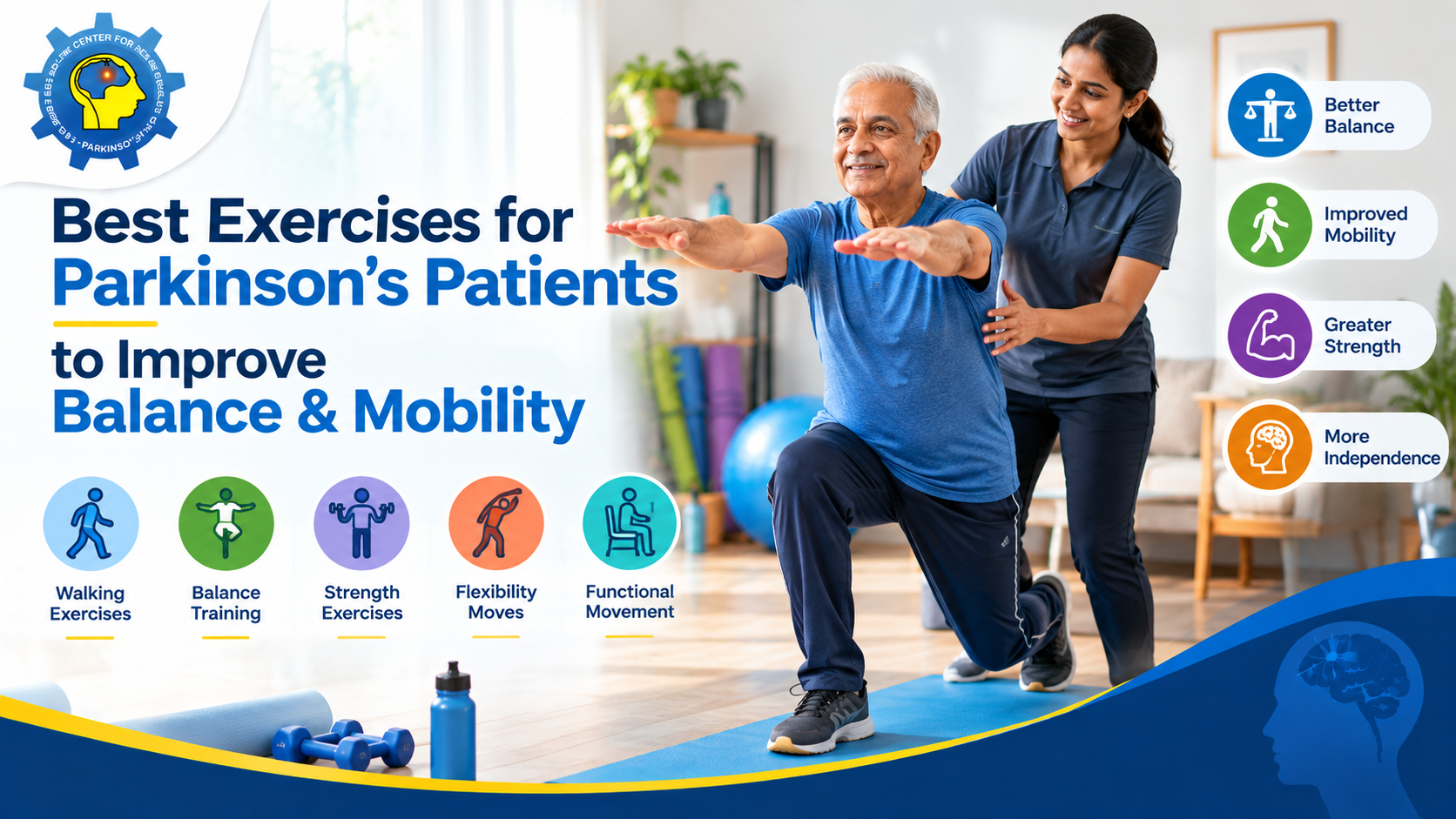
Medication is usually the first thing people think of when it comes to managing Parkinson's disease, but exercise is just as important and, in some ways, just as powerful. Regular movement doesn't just help patients stay active; research increasingly shows it can improve balance, slow the decline of mobility, and even support how well the brain adapts to the changes Parkinson's brings.
The challenge is knowing where to start, especially when tremor, stiffness, or balance concerns make some activities feel intimidating. This guide walks through the exercises that matter most for Parkinson's patients, how to approach them safely, and how physiotherapy fits into the bigger picture.
Why Exercise Matters in Parkinson's Disease
Parkinson's disease affects movement because of declining dopamine levels in the brain, but the story doesn't end there. Physical activity has been shown to support neuroplasticity, the brain's ability to adapt and form new neural connections, which may help preserve motor function even as the disease progresses.
Beyond the neurological benefits, regular exercise helps with several practical, everyday concerns:
- Improved balance and reduced fall risk
- Better posture and reduced stiffness
- Easier walking, with fewer freezing episodes
- Improved mood and reduced anxiety
- Better sleep quality
- Slower decline in overall physical function over time
Importantly, exercise works best as a consistent habit rather than an occasional effort. Most guidance points toward at least 150 minutes of moderate activity per week, spread across most days, though this should always be adjusted to individual ability and doctor guidance.
Best Types of Exercise for Parkinson's Patients
1. Balance Exercises
Balance training is one of the most valuable exercise categories for Parkinson's patients, since falls are a major concern as the condition progresses. Useful balance exercises include:
- Standing on one leg, holding onto a chair or wall for support initially
- Heel-to-toe walking, placing one foot directly in front of the other along a straight line
- Weight shifting, slowly shifting body weight from one foot to the other while standing
- Tai chi, which has been widely studied in Parkinson's patients and shown to improve balance and reduce fall risk through slow, controlled movements
These exercises should generally be done near a wall, a sturdy chair, or with a caregiver present, especially when starting out.
2. Walking Exercises
Walking is one of the most functional exercises for Parkinson's patients, but the way it's approached can make a real difference for those experiencing shuffling steps or freezing episodes.
- Big steps walking - deliberately taking larger, more exaggerated steps than feel natural, which helps counter the tendency toward short, shuffling strides
- Marching in place - lifting the knees high before transitioning into walking
- Rhythmic walking with cues - using a metronome, music, or verbal counting to help maintain a steady walking rhythm, which has been shown to help reduce freezing of gait in some patients
- Turning practice - since Parkinson's can make turning around more difficult and fall-prone; practicing wide, deliberate turns rather than pivoting sharply
3. Strength Training
Muscle weakness can compound balance and mobility issues over time, making strength training a valuable addition. Focus areas include:
- Leg strengthening - such as sit-to-stand exercises from a chair, which directly translates to daily function
- Core strengthening - which supports posture and reduces the stooped positioning common in Parkinson's
- Resistance band exercises - offering a low-impact way to build strength for both upper and lower body
Strength training should generally be done two to three times per week, allowing rest days for recovery.
4. Flexibility and Stretching
Stiffness and rigidity are hallmark symptoms of Parkinson's, making regular stretching an important daily habit rather than an occasional add-on.
- Neck and shoulder stretches - to counter the forward-leaning posture common in Parkinson's
- Hip flexor stretches - since tight hip flexors contribute to shuffling gait
- Trunk rotation stretches - seated or standing, to maintain spinal mobility
- Yoga - which combines flexibility, balance, and breathing in a single practice, with modifications available for different mobility levels
5. Aerobic Exercise
Cardiovascular exercise supports overall health and has specific benefits for Parkinson's patients as well, including improved mood and endurance.
- Stationary cycling - which is low-impact and reduces fall risk compared to outdoor cycling
- Swimming or water-based exercise - offering resistance and support simultaneously, though supervision is recommended given balance concerns
- Dancing - particularly styles with structured steps like ballroom dancing, which combine rhythm, balance, and social engagement
Sample Weekly Exercise Structure
This is a general framework rather than a fixed prescription and should be adjusted based on individual ability and physiotherapist guidance:
- Monday: Balance exercises and walking practice, 20–30 minutes
- Tuesday: Strength training, 20 minutes
- Wednesday: Stretching or yoga, 20–30 minutes
- Thursday: Aerobic exercise (cycling or swimming), 20–30 minutes
- Friday: Balance exercises and walking practice, 20–30 minutes
- Saturday: Strength training, 20 minutes
- Sunday: Rest or gentle stretching
Consistency matters more than intensity, especially in the early stages of building a routine.
The Role of Physiotherapy
While many of these exercises can be done independently, working with a physiotherapist who has experience with Parkinson's disease adds real value. A physiotherapist can:
- Assess individual balance, gait, and strength to identify specific problem areas
- Design a personalized exercise program based on current symptoms and stage of the condition
- Teach safe techniques for exercises like sit-to-stand transfers or turning
- Monitor progress and adjust the program as symptoms change over time
- Address freezing of gait with specific cueing strategies
Physiotherapy is particularly valuable soon after diagnosis, since building strength and balance early can help maintain function for longer, rather than waiting until mobility problems become more pronounced.
Exercise Safety Tips for Parkinson's Patients
- Always warm up before exercising and cool down afterward
- Exercise during "on" periods when medication is working effectively, if fluctuations are a factor
- Keep a clear, clutter-free space when doing balance or walking exercises
- Use supportive footwear rather than socks or loose slippers
- Stay hydrated, and avoid exercising in extreme heat
- Stop and rest if dizziness, chest pain, or unusual shortness of breath occurs
- Have a caregiver or family member present for higher-risk exercises, especially early on
Exercise Alongside Other Parkinson's Management Strategies
Exercise works best as part of a broader management plan rather than a standalone solution. Nutrition also plays a meaningful role in energy levels, digestion, and medication timing, which is covered in detail in our Diet Guide for Parkinson's patients.
For patients with more advanced motor symptoms who don't respond adequately to medication alone, treatment options like deep brain stimulation may also be part of the conversation with a neurologist. Many patients find that physical therapy and exercise become even more effective after this kind of intervention. You can learn more in our guide to DBS surgery.
When to Talk to a Doctor Before Starting
Most exercises described here are safe for the majority of Parkinson's patients, but it's worth checking with a neurologist or physiotherapist before starting, particularly if:
- Falls have occurred recently, or balance concerns are significant
- Other health conditions, like heart disease, are also present
- Symptoms fluctuate significantly throughout the day
- You're new to exercise or returning after a long period of inactivity
A doctor or physiotherapist can help determine which exercises are appropriate and how to progress safely.
Frequently Asked Questions
What is the best exercise for Parkinson's disease?
There isn't a single best exercise; a combination of balance training, walking practice, strength work, and flexibility exercises tends to offer the most benefit.
Can exercise slow down Parkinson's disease progression?
Some research suggests regular exercise may help preserve motor function and support brain adaptability, though it doesn't stop or cure the underlying disease process.
How often should Parkinson's patients exercise?
Most guidance points toward at least 150 minutes of moderate activity per week, spread across most days, adjusted to individual ability.
Is it safe for Parkinson's patients to exercise alone?
Many exercises can be done independently, but balance-focused exercises are safer with support nearby, especially for those with a history of falls.
Does physiotherapy help with freezing of gait?
Yes, physiotherapists can teach specific cueing techniques, such as rhythmic counting or visual markers, that have been shown to help reduce freezing episodes.
Final Thoughts
Exercise isn't a replacement for medication or medical treatment in Parkinson's disease, but it's one of the most effective tools patients have for maintaining balance, mobility, and independence over time. A consistent routine, built around balance, walking, strength, and flexibility, and guided by a physiotherapist where possible, can make a meaningful difference in day-to-day life.
Ready to build a safe, personalized exercise plan? Book an appointment with our specialists, or contact us to get started.
Disclaimer: This article is intended for informational purposes only and does not constitute medical advice. Please consult a qualified healthcare professional or physiotherapist before starting any new exercise program.