 +91 9618519486

 Yashoda Hospital,
Hitec City
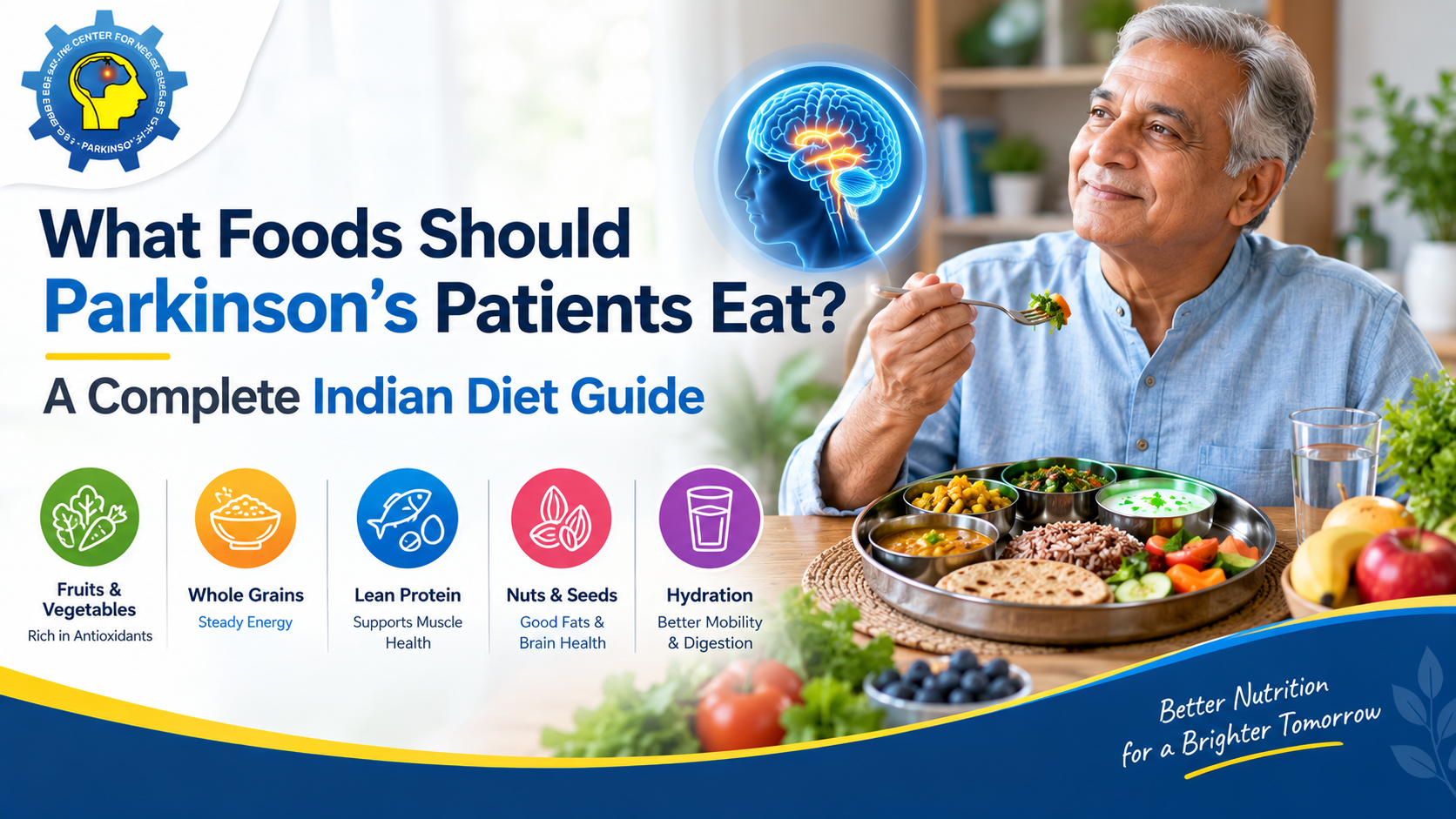
Diet doesnt cure Parkinsons disease, but it plays a bigger role in day-to-day symptom management than most people realize. What you eat can affect medication absorption, digestion, energy levels, and even how well certain Parkinson's medications work at different times of the day. For Indian households, this often means rethinking familiar meals rather than switching to unfamiliar "superfoods."
This guide covers what a Parkinson's-friendly diet actually looks like, which foods to prioritize, which to limit, and how to adapt common Indian meals without giving up the food you enjoy.
Why Diet Matters in Parkinson's Disease
Parkinson's disease affects far more than movement. It can influence digestion, swallowing, weight, and even how the body absorbs medication. A few key reasons diet deserves attention:
- Protein can interfere with levodopa absorption. Levodopa, one of the most commonly prescribed Parkinson's medications, competes with dietary protein for absorption in the small intestine. Eating a large protein-heavy meal too close to a dose can reduce its effectiveness.
- Constipation is common. Slowed digestion is a frequent non-motor symptom, and fiber and hydration play a direct role in managing it.
- Swallowing difficulties can develop over time. Food texture and consistency may need to be adjusted as the condition progresses.
- Weight changes are common. Some patients lose weight due to increased energy expenditure from tremor or rigidity, while others gain weight due to reduced activity.
None of this means a rigid, restrictive diet. It means being intentional about timing, balance, and food choices.
Foods That Support Parkinson's Management
1. Fiber-Rich Foods
Since constipation is one of the most common non-motor symptoms of Parkinson's, fiber deserves a regular place on the plate. Good Indian options include
- Whole wheat roti instead of refined flour (maida) versions
- Dals and legumes like moong, masoor, and chana
- Vegetables such as bhindi, lauki, and leafy greens like palak and methi
- Fruits like papaya, guava, and pears
2. Antioxidant-Rich Foods
Antioxidants help the body manage oxidative stress, which researchers believe plays a role in the progression of Parkinson's disease. Colorful fruits and vegetables are a simple way to build this in:
- Berries, where available, along with pomegranate and amla
- Turmeric, a staple in Indian cooking, which contains curcumin, a compound studied for its anti-inflammatory properties
- Leafy greens and colorful vegetables like carrots, beetroot, and bell peppers
3. Healthy Fats
Fats like omega-3 fatty acids support overall brain health. Good sources include:
- Flaxseeds and walnuts, easy to add to breakfast or chutneys
- Fish, for those who eat non-vegetarian food, particularly varieties like rohu, sardines, or mackerel
- Ghee and cold-pressed oils in moderation, rather than heavily processed cooking oils
4. Calcium and Vitamin D Sources
Parkinson's patients have a higher risk of falls and fractures, making bone health especially important. Consider including:
- Dairy such as milk, curd, and paneer
- Ragi (finger millet), which is naturally rich in calcium and commonly used in South Indian households
- Sesame seeds (til), often used in traditional Indian snacks and chutneys
- Safe sun exposure or a doctor-recommended supplement if vitamin D levels are low
5. Adequate Hydration
Dehydration can worsen constipation and contribute to low blood pressure on standing, which is already a concern for some Parkinson's patients. Water, buttermilk (chaas), coconut water, and light soups are all good options through the day.
Foods to Limit or Avoid
High-Protein Meals Around Medication Times
This is one of the most important, and most overlooked, dietary adjustments for Parkinson's patients on levodopa. Rather than avoiding protein altogether, the timing matters:
- Take levodopa on an empty stomach or with a small, low-protein snack, generally 30 to 60 minutes before meals, based on your doctor's guidance
- Save protein-heavy foods like dal, paneer, meat, or eggs for later in the meal or a separate time from medication dosing
- Never adjust medication timing without first discussing it with the prescribing doctor, since individual instructions can vary
Excess Sugar and Refined Carbohydrates
Sweets, refined flour, and sugary snacks can contribute to energy crashes and weight gain without offering nutritional benefit. This doesn't mean cutting out festival sweets entirely, but keeping everyday intake in check.
Excess Salt
High sodium intake can worsen blood pressure fluctuations, which some Parkinson's patients already experience due to autonomic nervous system changes. Being mindful of papads, pickles, and packaged snacks can help.
Alcohol
Alcohol can interact with certain Parkinson's medications and may worsen balance issues or interfere with sleep. It's best discussed directly with a neurologist based on individual medication and symptoms.
Ultra-Processed Foods
Packaged, deep-fried, and heavily processed snacks tend to be low in fiber and nutrients while being high in sodium and unhealthy fats, making them worth limiting rather than eliminating entirely.
Sample Indian Meal Ideas for a Parkinson's-Friendly Day
Morning: A small, low-protein breakfast such as poha or upma with vegetables, paired with medication timing as advised by your doctor.
Mid-Morning: A piece of fruit like papaya or guava, or a handful of soaked nuts.
Lunch: Roti or brown rice, a dal or legume dish, a vegetable sabzi, and curd, with protein portioned appropriately around medication timing.
Evening: Buttermilk or herbal tea with a light, fiber-rich snack like roasted chana or vegetable soup.
Dinner: A lighter meal with khichdi or roti, a vegetable preparation, and a small portion of protein, eaten earlier in the evening to support digestion and sleep.
This is a general framework rather than a fixed plan. Portion sizes and food choices should be adjusted based on individual medication schedules, swallowing ability, and any other health conditions.
Diet Alongside Other Parkinson's Management Strategies
Nutrition works best as one part of a broader management approach rather than a standalone fix. Staying physically active plays an equally important role in maintaining mobility, balance, and independence. Our exercise guide covers movement-based strategies that work well alongside dietary changes.
For patients with more advanced motor symptoms, treatment options like deep brain stimulation may also become part of the conversation with a neurologist. You can learn more about how this works in our guide to DBS Surgery. Diet doesn't replace medical or surgical treatment, but it can meaningfully support how well the body responds to it.
When to Talk to a Doctor or Dietitian
It's worth involving a doctor or registered dietitian if:
- Swallowing has become noticeably more difficult
- Unintentional weight loss or gain is occurring
- Constipation is persistent despite dietary changes
- You're unsure how to time meals around medication doses
A dietitian familiar with Parkinson's disease can help build a plan that fits both medical needs and personal food preferences, rather than a generic template.
Frequently Asked Questions
Can diet cure or slow down Parkinson's disease?
No. Diet doesn't cure or reverse Parkinson's, but it can help manage symptoms like constipation, energy levels, and medication effectiveness.
Why does protein affect Parkinson's medication?
Levodopa competes with dietary protein for absorption in the intestine, so large protein-heavy meals close to a dose can reduce how well the medication works.
Is turmeric actually helpful for Parkinson's patients?
Turmeric contains curcumin, which has been studied for anti-inflammatory properties, but it isn't a substitute for prescribed treatment and should be used as part of a normal diet rather than a therapy.
Should Parkinson's patients avoid protein completely?
No. Protein is still essential; the focus should be on timing protein intake around medication doses rather than eliminating it.
Are Indian vegetarian diets suitable for Parkinson's patients?
Yes, a well-planned vegetarian Indian diet with dals, dairy, whole grains, and vegetables can meet nutritional needs, though B12 and protein intake should be monitored.
Final Thoughts
A Parkinson's-friendly diet isn't about giving up familiar Indian meals. It's about smarter timing, more fiber and hydration, and mindful protein placement around medication doses. Paired with the right medical care and physical activity, food choices can genuinely support day-to-day quality of life.
Want a personalized nutrition plan alongside your Parkinson's treatment? Book an appointment with our specialists, or contact us to get started.
Disclaimer: This article is intended for informational purposes only and does not constitute medical advice. Please consult a qualified healthcare professional or registered dietitian before making significant dietary changes.