 +91 9618519486

 Yashoda Hospital,
Hitec City
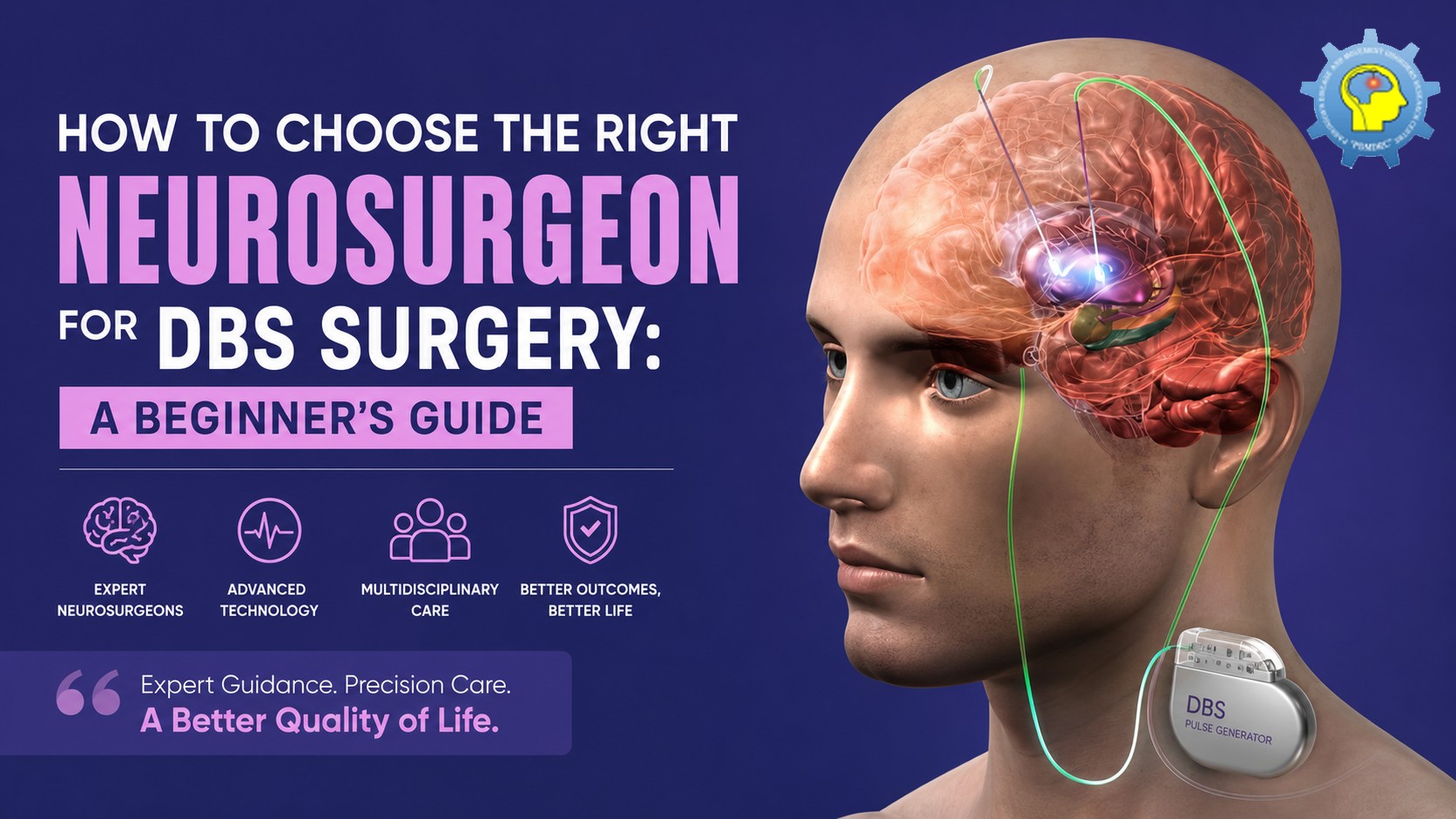
Parkinsons disease is a neurological disorder that progressively impairs balance, coordination, and movement. Medication may be less effective over time, even though it helps control symptoms in the early stages. Consequently, many patients start looking into cutting-edge therapies like deep brain stimulation (DBS).
But choosing the best DBS neurosurgeon is one of the most crucial choices in this process. The procedure's success and long-term results can be greatly impacted by the surgeon's training, experience, and patient care philosophy.
Why Choosing the Right Neurosurgeon Matters
Deep brain stimulation is a specialized surgical procedure that calls for years of experience, precision, and cutting-edge technology. A neurosurgeon inserts tiny electrodes into particular brain regions during the procedure. These electrodes help control the symptoms of Parkinson's disease by delivering regulated electrical impulses.
DBS can significantly enhance a patient's quality of life when carried out on the appropriate patient by a skilled DBS surgery specialist, even though it cannot cure Parkinson's disease.
Selecting the appropriate surgeon is important because they will:
● Determine if you are a good fit.
● Use cutting-edge brain imaging to plan the surgery.
● Execute the process with remarkable precision.
● During treatment, collaborate with neurologists.
● Make device adjustments and long-term follow-up care.
So choosing an experienced Parkinson's neurosurgeon is one of the most important steps to take before surgery.
What Does a DBS Neurosurgeon Do?
DBS neurosurgeons are brain surgeons that specialize in implanting stimulation devices to help treat movement disorders.
Their responsibilities include:
● Medical history review
● Analyzing MRI and CT brain scans
● Finding the right brain target
● Stimulation electrode implantation.
● Implantation of the Pulse Generator
● Programming with Neurologists
● surgical recovery monitoring
DBS treatment in many hospitals is a multidisciplinary team effort. However, the central role is played by the neurosurgeon throughout the surgical process.
Patients should feel confident asking questions and discussing any and all concerns before making a decision.
Qualifications to Look for in a Neurosurgeon for DBS
Not all neurosurgeons routinely do the DBS surgical procedure. So it’s important to check the surgeon’s credentials and experience.
Board Certification
Select a board-certified neurosurgeon who has been formally trained in functional neurosurgery or movement disorder surgery.
Specialized DBS Trainin
A qualified neurosurgeon for DBS should have specialized training specifically focused on deep brain stimulation procedures.
Experience Matters
Ask questions such as:
● How many DBS surgeries for Parkinson's have you done?
● How many DBS surgeries do you do each year?
● What is your rate of success?
Generally, surgeons with extensive experience tend to have better outcomes.
Hospital Affiliation
Look for surgeons who practice at hospitals with:
● MRI high tech
● Imaging during surgery
● Robots navigations systems
● Dedicated Parkinson’s Disease Care Teams
Rehabilitation services
Modern facilities often contribute to safer procedures and better patient experiences.
Questions You Should Ask Before Choosing a DBS Surgery Specialist
Meeting a surgeon before surgery is an opportunity to assess their expertise and communication style.
Important Questions to Ask
● Am I a good candidate for DBS?
● What symptoms does surgery help with?
● What symptoms won’t get better?
● What is the risk?
● What brain target would you recommend?
● How many of these surgeries do you do?
● What problems have your patients experienced?
● What’s your success rate?
● How long does it take to recover?
After surgery, will I require continuing programming?
The answers are clear, honest, and easy to understand. A good DBS surgery specialist is willing to spend time educating patients rather than rushing through consultations.
Signs You've Found the Best DBS Neurosurgeon
It’s not just about how many years of experience a neurosurgeon has with DBS. It also involves trust, communication, and patient-centered care.
Look for These Qualities
Extensive Experience
The surgeon has experience with Parkinson's DBS surgery and continues to study the latest techniques.
Excellent Communication
They explain medical information using simple language and encourage questions.
Team-Based Care
The surgeon works closely with neurologists, neuropsychologists, rehabilitation therapists, and nurses.
Personalized Treatment
Every patient is unique. A good surgeon doesn’t treat everyone the same way. He develops a personalized treatment plan.
Positive Patient Feedback
Online reviews shouldn’t be the only deciding factor, but if you have consistent positive experiences, it can help put your mind at ease.
Understanding the Risks and Benefits of Parkinson's DBS Surgery
There are risks with any surgery. Fortunately, DBS is a well-established and effective treatment performed by experienced specialists.
Potential Benefits
● Reduced tremor
● Better movement
● Enhanced rigidity control
● Less medication side effects
● Higher quality of life
● Increased independence
Possible Risks
● Infection
● Bleeding
● Stroke
● Complications of device
● Temporary changes in speech or balance
● Future needs for battery replacement
An experienced Parkinson’s neurosurgeon will carefully discuss these risks with you before the surgery and will take every precaution to minimize complications.
Why a Multidisciplinary Team Improves Outcomes
Deep brain stimulation treatment extends beyond the operating room.
Patients are usually cared for by:
● Movement disorder neurologist
● Neurosurgeons
● Neuropsychologists
● Physiotherapists
● Occupational therapy.
● Speech-Language Pathologists
● Dedicated DBS nurses
This collaborative approach translates into better long-term outcomes for patients.
So when selecting a neurosurgeon for DBS also consider the strength of the whole Parkinson's care team.
Common Mistakes to Avoid When Choosing a DBS Neurosurgeon
Patients only care about location or price. But these are not to be the main considerations.
Common mistakes to avoid:
● Selecting the first surgeon without doing research
● Parkinson’s DBS Surgery: What to Expect
● Asking too few questions.
● Looking only at hospital reputation
● Ignoring Second Opinions
● Neglecting follow-up care
● Choosing by online reviews only
For better long-term outcomes, it's worth investing a little more time in consulting experts.
Final Thoughts
Choosing the right DBS neurosurgeon is one of the most important decisions for anyone considering deep brain stimulation. The right specialist combines surgical expertise with compassionate patient care and works alongside a multidisciplinary team to provide comprehensive treatment.
Take time to research qualifications, ask detailed questions, and seek second opinions when necessary. Remember that the goal is not simply to find an experienced surgeon but to find the best DBS neurosurgeon for your specific needs.
You can approach Parkinson's DBS surgery with more confidence and a better knowledge of what to anticipate prior to, during, and following treatment if you make an informed decision.
Frequently Asked Questions (FAQs)
1. What is a DBS neurosurgeon?
DBS neurosurgeons are specialized neurosurgeons who perform deep brain stimulation surgery for movement disorders such as Parkinson’s disease.
2. How do I know if I need Parkinson's DBS surgery?
DBS surgery for Parkinson's might be an option for patients whose symptoms are not well managed with medication alone. A movement disorder neurologist and neurosurgeon will determine if you are a good candidate.
3. How experienced should a neurosurgeon for DBS be?
There is no set number, but surgeons who perform DBS surgeries on a regular basis and are very experienced tend to have more consistent results.
4. Is deep brain stimulation a cure for Parkinson's disease?
Deep brain stimulation does not cure Parkinson’s disease. But for some patients who qualify, it can significantly reduce symptoms such as tremors, stiffness, and difficulty moving.
5. What should I ask during my first consultation with a DBS surgery specialist?
Ask about the surgeon’s experience, success rates, possible risks, expected benefits, recovery process, and long-term follow-up care.
6. Who is considered the best DBS neurosurgeon?
The best DBS neurosurgeon is one that has experience and specialized training, good communication skills, access to advanced technology, and is part of a multidisciplinary Parkinson’s care team.
7. How long does recovery take after DBS surgery?
Most patients recover from surgery within a few weeks, although full optimization of the DBS device may take several months with regular programming sessions.
8. Can older adults undergo DBS surgery?
Yes. Age is not the sole eligibility criterion. More important factors in assessment include general health, cognitive function, and symptom profile.